
Why Smart Business Owners Are Saying Yes to Roof Upgrades Right Now
Many commercial roof upgrades now qualify for full first year expensing under Section 179, turning a major replacement into an immediate tax saving opportunity. This can dramatically reduce net project costs, boost cash flow, avoid rising interest expenses, improve workplace comfort, and prevent operational disruptions. For many businesses, upgrading the roof now is both a smart financial and practical decision.
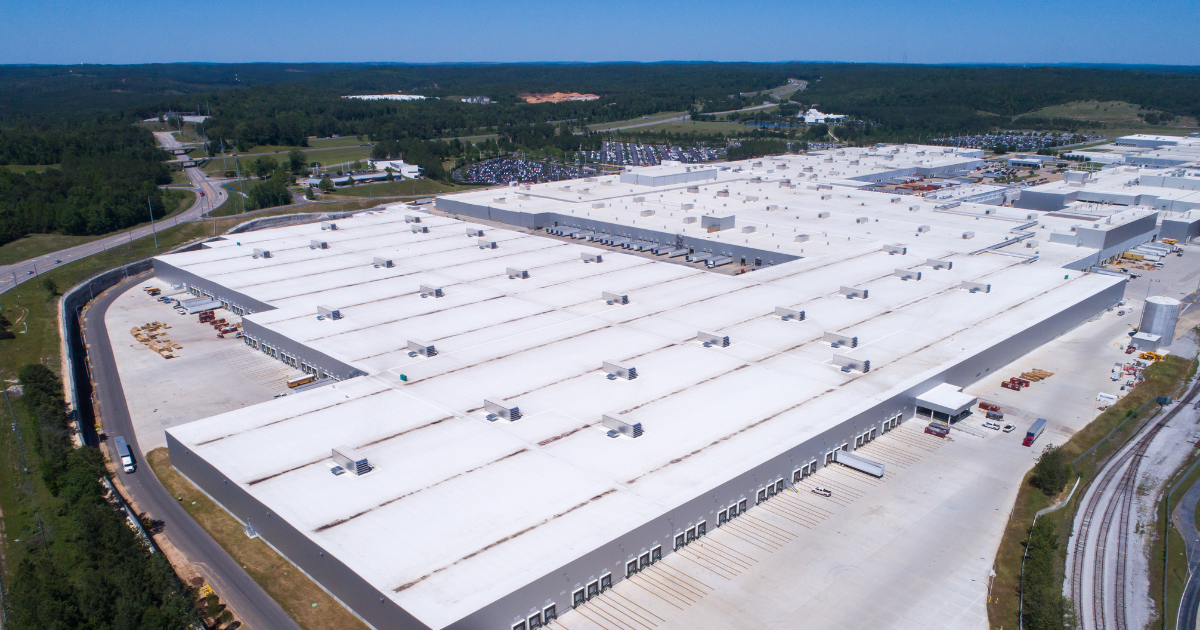
🔲 Section 179 lets businesses expense major roof upgrades immediately, turning a big cost into instant tax relief
🔲 Rising interest rates and deferred damage make delaying a roof upgrade financially risky
🔲 A new roof boosts comfort, morale, and day to day operational stability
🔲 Upgrading now delivers structural protection, energy efficiency, and major financial advantages in the same year
When was the last time tax legislation got you excited? Probably never. But a new change could make a huge difference if you own a commercial building and have been putting off a roof replacement.
For years, commercial roof replacements meant playing the long game. Businesses had to depreciate the investment over 39 years, slowly writing off a little at a time. That’s nearly four decades to see the full tax benefit from a project critical to your building’s health and operations.
Thanks to updates in Section 179 of the tax code, many commercial roof upgrades now qualify for full expensing in the year they’re completed. Confirm the details with your tax advisor, but the opportunity is real.
What That Means in Real Numbers

Let’s put this into perspective. Suppose you’re planning a $500,000 commercial roof replacement. Under the old depreciation rules, you could only deduct about $5,769 per year over 39 years.
With the new Section 179 deduction, you can now write off the entire $500,000 in the first year. If your business is in the 45% tax bracket, that’s an immediate $225,000 tax savings, lowering your after tax cost to just $275,000.
This isn’t just an accounting perk, it’s real money back in your business right now. That extra capital could fund new equipment, facility upgrades, technology investments, or expansion projects, giving your company more flexibility and stronger cash flow. On this tax advantage, a major roof replacement can now be a smart financial move, not just a necessary expense.
The Cost of Waiting
With interest rates hovering around 4.5%, waiting to replace your roof could cost more than you think.
Every 1% increase in rates adds roughly $10,000 in interest per million borrowed. In other words, postponing your project might mean paying significantly more later while losing out on today’s tax advantages.
So, the real question isn’t “Should I replace my roof?” but “Can I afford not to?”
A Better Roof Means a Better Workplace

A new roof isn’t just about financial efficiency, it’s also about people.
Leaky roofs and poor insulation can quietly drain morale. Employees notice when their workspace feels uncomfortable or when they’re dodging buckets during a storm. A well maintained roof creates a better work environment, one that’s comfortable, safe, and distraction free.
When your roof does its job, your team can focus on theirs.
Smoother Operations, Fewer Headaches

Think about how many operational headaches stem from roof problems, production delays, damaged inventory, emergency repairs, unexpected shutdowns.
A dependable roofing system eliminates those disruptions. It keeps your operations consistent, protects your assets, and saves you from those “drop everything” repair calls that always seem to come at the worst possible moment.
Real Businesses, Real Results

Real businesses are already seeing how the Section 179 tax deduction transforms major property upgrades into smart financial wins.
For example, a manufacturing facility in Ohio invested $1.2 million in a full roof restoration and immediately wrote off the entire cost, their chief financial officer called it “cash flow positive in month one.”
A distribution center in Texas replaced its 40 year old roof for $850,000, gaining both the full deduction and instant energy savings.
Meanwhile, a tech campus in California spent $2.1 million on multi building roof upgrades, calling it “a total shift in our capex strategy.” These real world results show how aligning commercial roofing projects with favorable tax incentives can dramatically boost cash flow, reduce costs, and free up capital for growth.
Section 179 isn’t just a tax rule, it’s a powerful tool helping businesses reinvest faster and operate more efficiently.
How to Take Advantage

Start a conversation with a qualified roofing expert and your tax advisor. They can help you determine whether your project qualifies under Section 179, how much can be deducted immediately and optimal timing for your business.
With the right guidance, a major roof replacement can become a smart financial move, not just a necessary expense.
The Real Deal
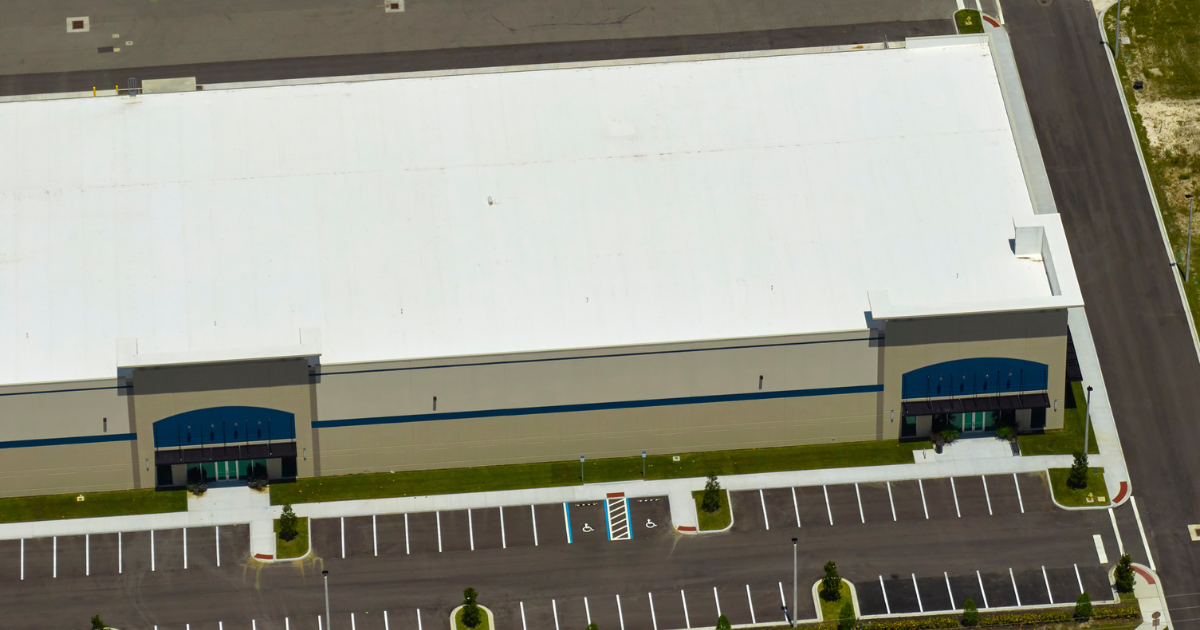
Your roof protects everything your business depends on, equipment, employees, operations, and reputation. For decades, tax rules made investing in that protection slow and inefficient. Now, with full expensing available, you can strengthen your building and your balance sheet at the same time.
Replace the roof, improve energy efficiency and comfort, and capture significant tax benefits, all in the same year.
Sometimes the smart business decision is obvious. This might be one of those times.
Read other blog:


We Love Conversations
 SoHelpful@PristineIndustrialRoofing.com